A Shining Cross (and why I’m no Ansel Adams)

The glint of sunlight reflecting off this cross atop Old St. Mary’s Church caught my eye as I walked back to my office around 9:00 this morning after teaching my first class.
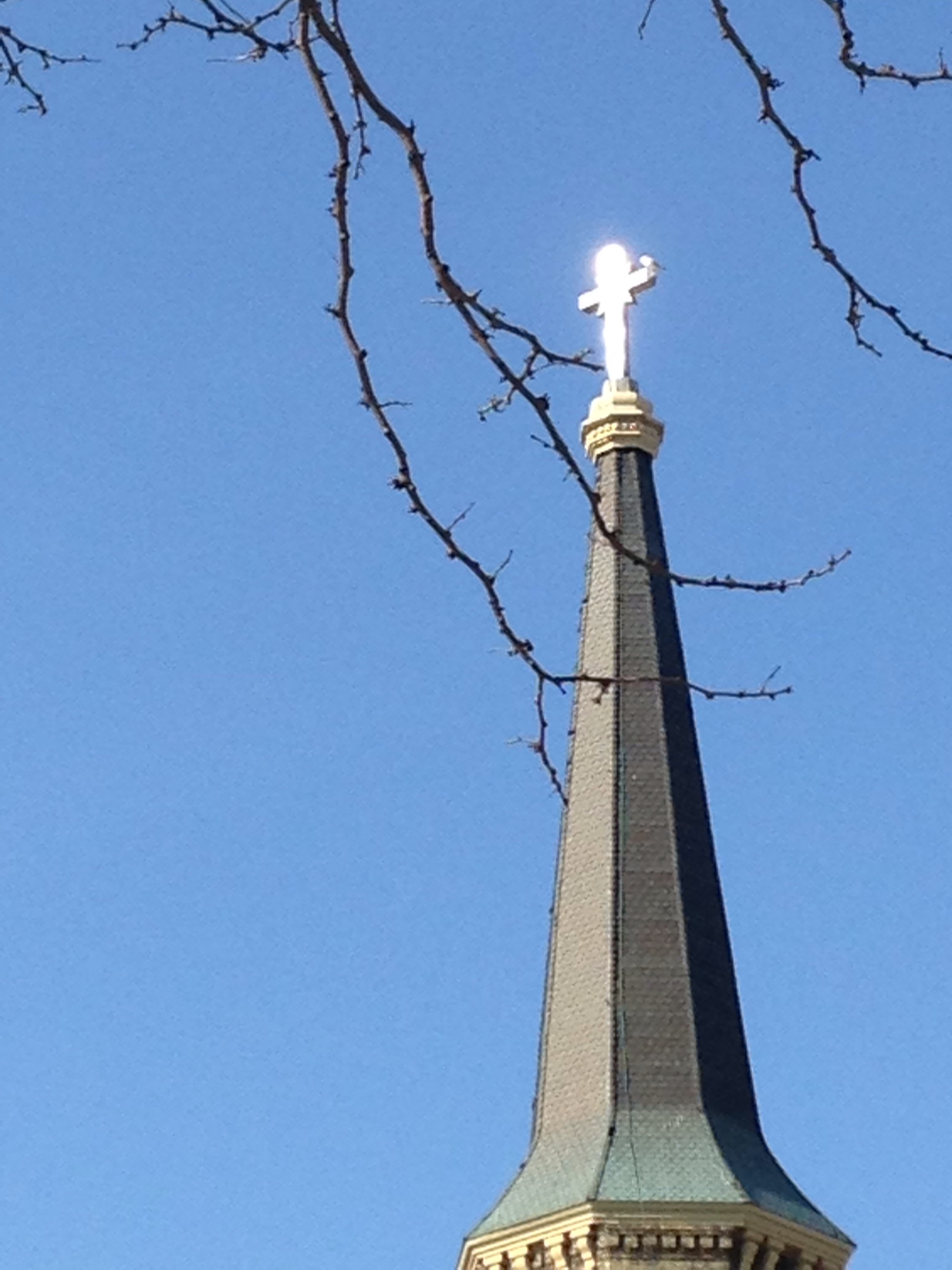
sun shining on glowing cross

Here’s a reverse shot I took a bit farther down the hill, just to give you an idea of how bright the sun is today and how cloudless the sky after a few weeks of windy, wet, chilly weather.

church steeple silhouetted against bright sun

In a way this glowing cross reminds me of some other, far more famous glowing crosses: those of the cemetery in Ansel Adams’ Moonrise, Hernandez, New Mexico.

Moonrise, Hernandez, New Mexico, taken October 31, 1941 (via Ansel Adams Gallery)

Here’s a close-up area of detail, in case you aren’t seeing the almost supernaturally glowing crosses very well here, although some clarity is lost in my enlargement of this print.
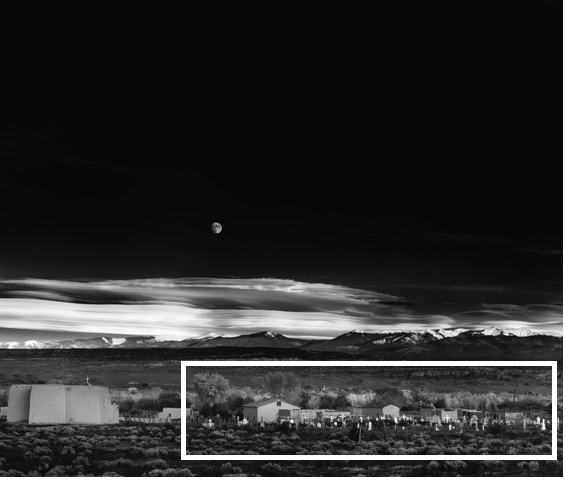
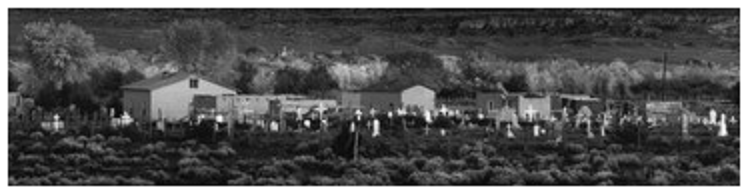
Moonrise - close-up on area of detal outline

Adams described getting this shot in his 1983 book, Examples: The Making of 40 Photographs (via The Ansel Adams Gallery, official source for Ansel Adams’ prints and run by the Adams family since 1902):

We were sailing southward along the highway not far from Espanola when I glanced to the left and saw an extraordinary situation – an inevitable photograph! I almost ditched the car and russed [sic] to set up my 8×10 camera. I was yelling to my companions to bring me things from the car as I struggled to change components on my Cooke Triple-Convertible lens. I had a clear visualization of the image I wanted, but when the Wratten No. 15 (G) filter and the film holder were in place, I could not find my Weston exposure meter! The situation was desperate: the low sun was trailing the edge of the clouds in the west, and shadow would soon dim the white crosses.

I was at a loss with the subject luminance values, and I confess I was thinking about bracketing several exposures, when I suddenly realized that I knew the luminance of the moon – 250 c/ft2. Using the Exposure Formula, I placed this luminance on Zone VII; 60 c/ft2 therefore fell on Zone V, and the exposure with the filter factor o 3x was about 1 second at f/32 with ASA 64 film. I had no idea what the value of the foreground was, but I hoped it barely fell within the exposure scale. Not wanting to take chances, I indicated a water-bath development for the negative.

Realizing as I released the shutter that I had an unusual photograph which deserved a duplicate negative, I swiftly reversed the film holder, but as I pulled the darkslide the sunlight passed from the white crosses; I was a few seconds too late!

I think I may love that story even more than I love the photograph itself. So dramatic!

No such excitement with my own photo, sadly. I just took note of the shining silver cross, stopped walking, pulled out my phone. Yeah, I took several shots from slightly different positions so as to get the most incandescent reflection possible. But no car to ditch, no companions to yell instructions at, no equipment to fumble with, no ticking clock, no setting sun.

Sigh. 🙂

(Update, November 12, 2021: Someone visited this post today, and it’s been a while since I’ve seen this title in my stats, so I revisited it and took a look for the first time in years. And I just noticed for the first time ever that there’s a BIRD!!! sitting atop the cross. I always wondered why the cross looked so distorted and figured it must be a trick of the bright light reflecting off the metal. Nope. It’s a white bird, probably a gull, Lake Michigan being a mere few blocks away. So, FYI 😄)
Posted in Art, Creativity, Milwaukee, Photography | Tagged , , , , , , | 6 Comments

Making a Picture

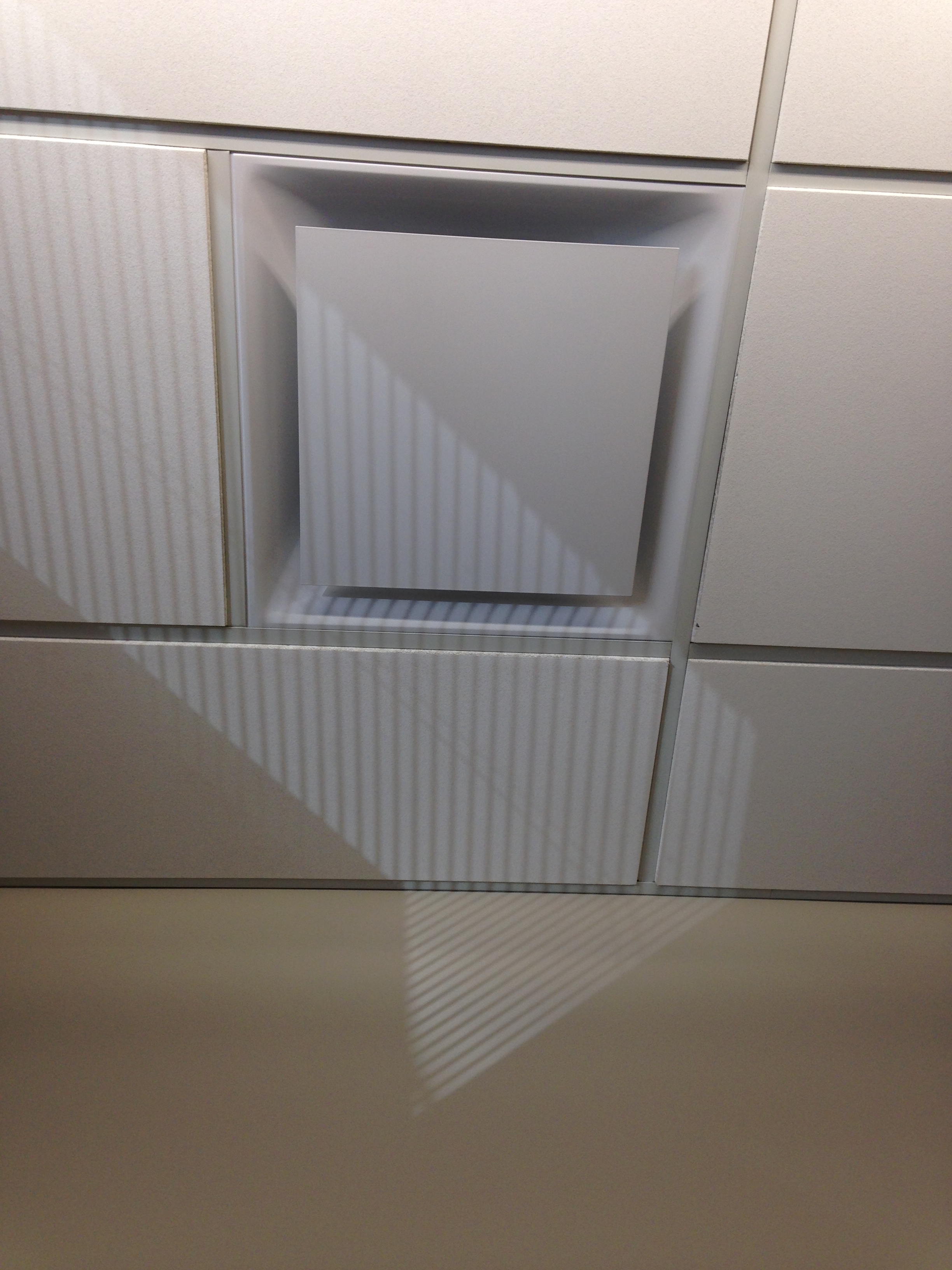
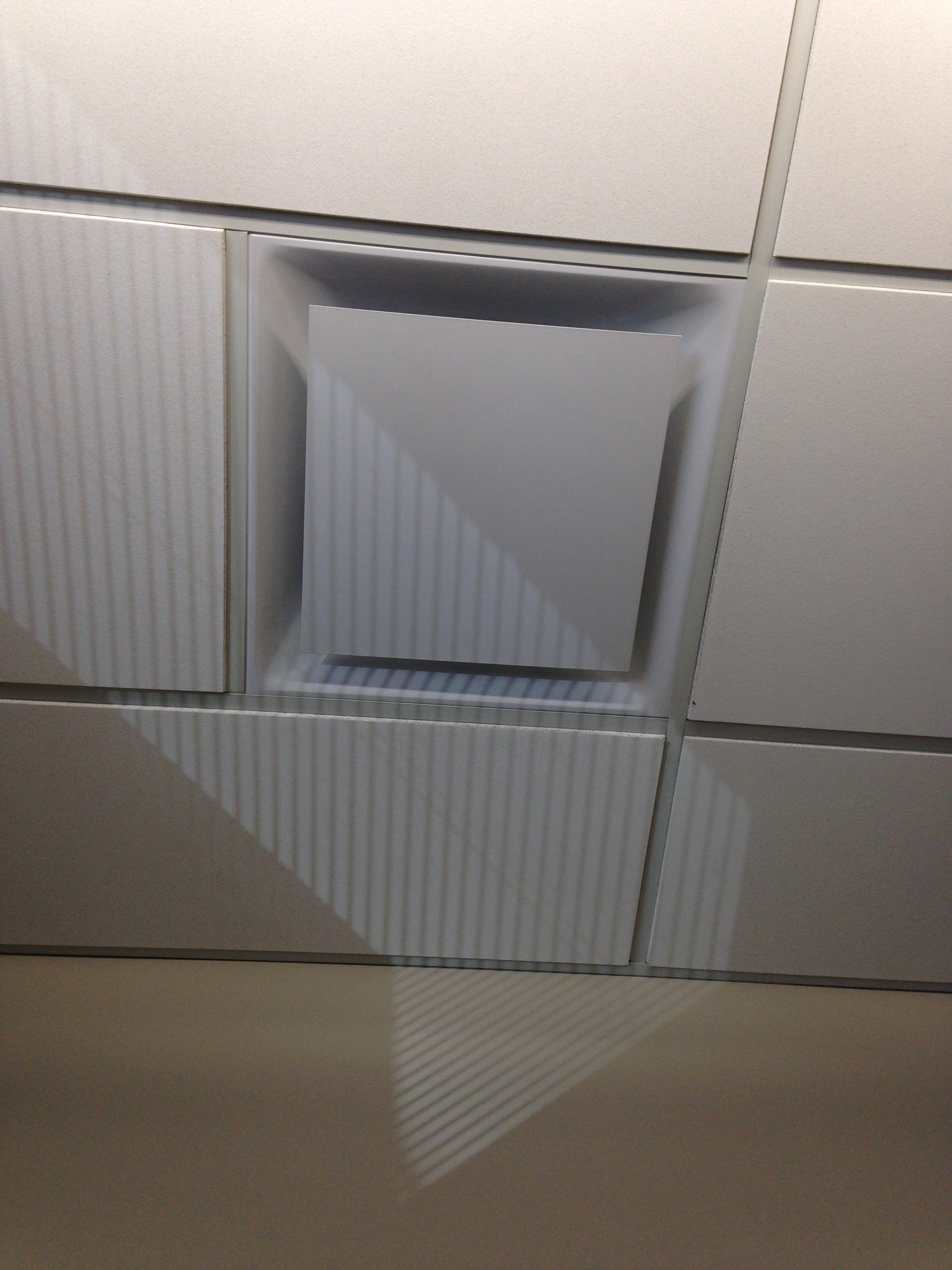
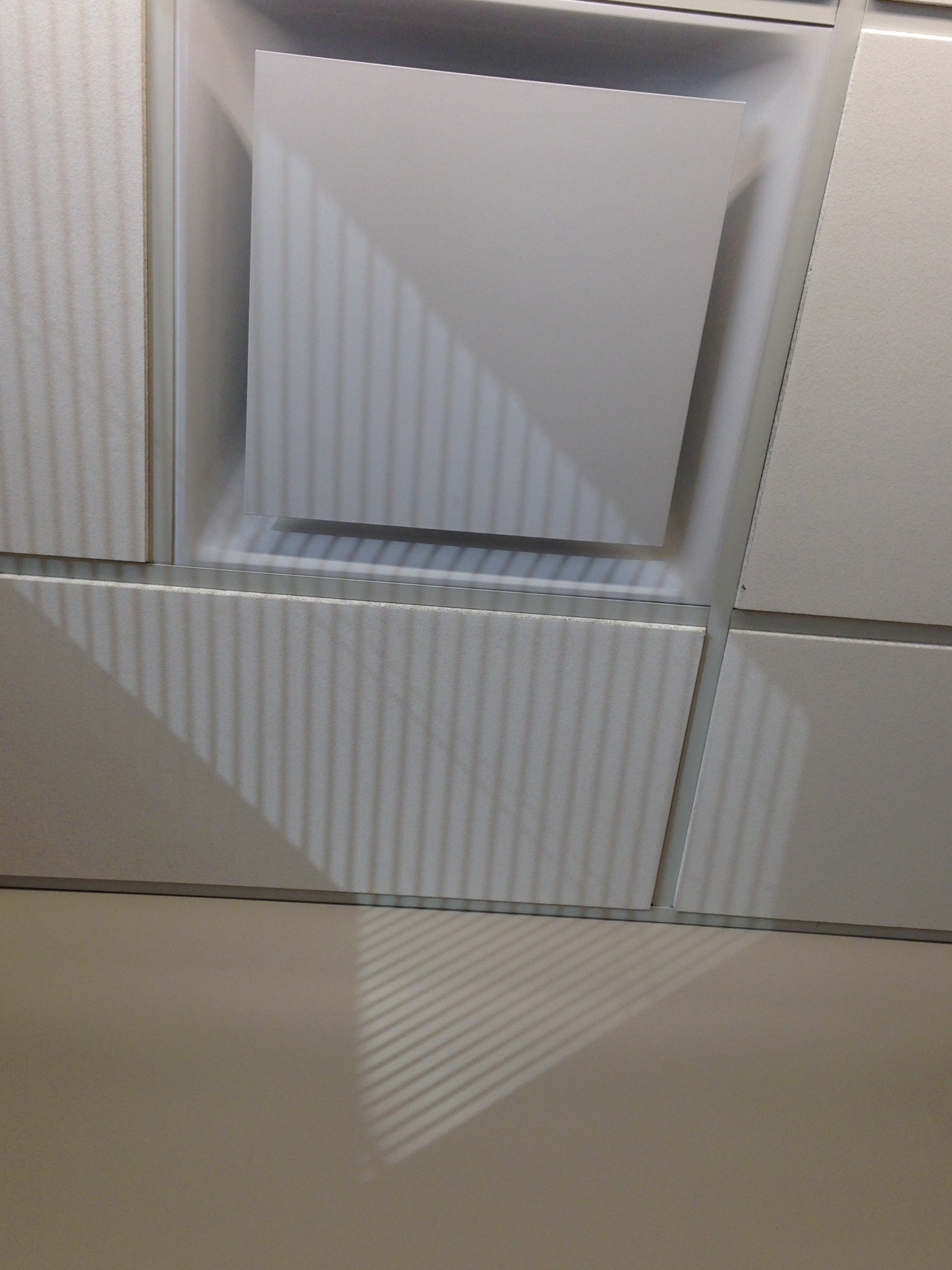
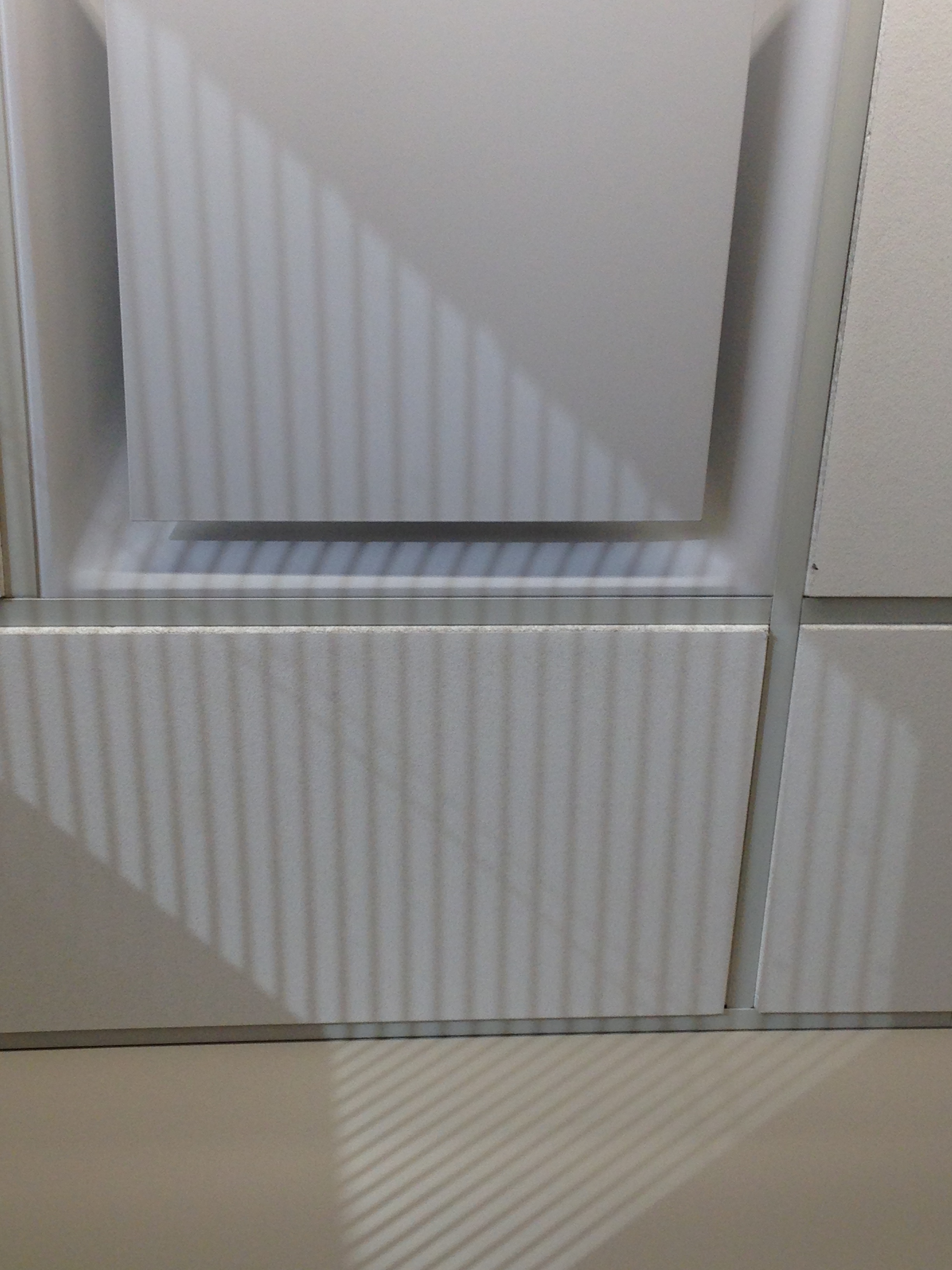
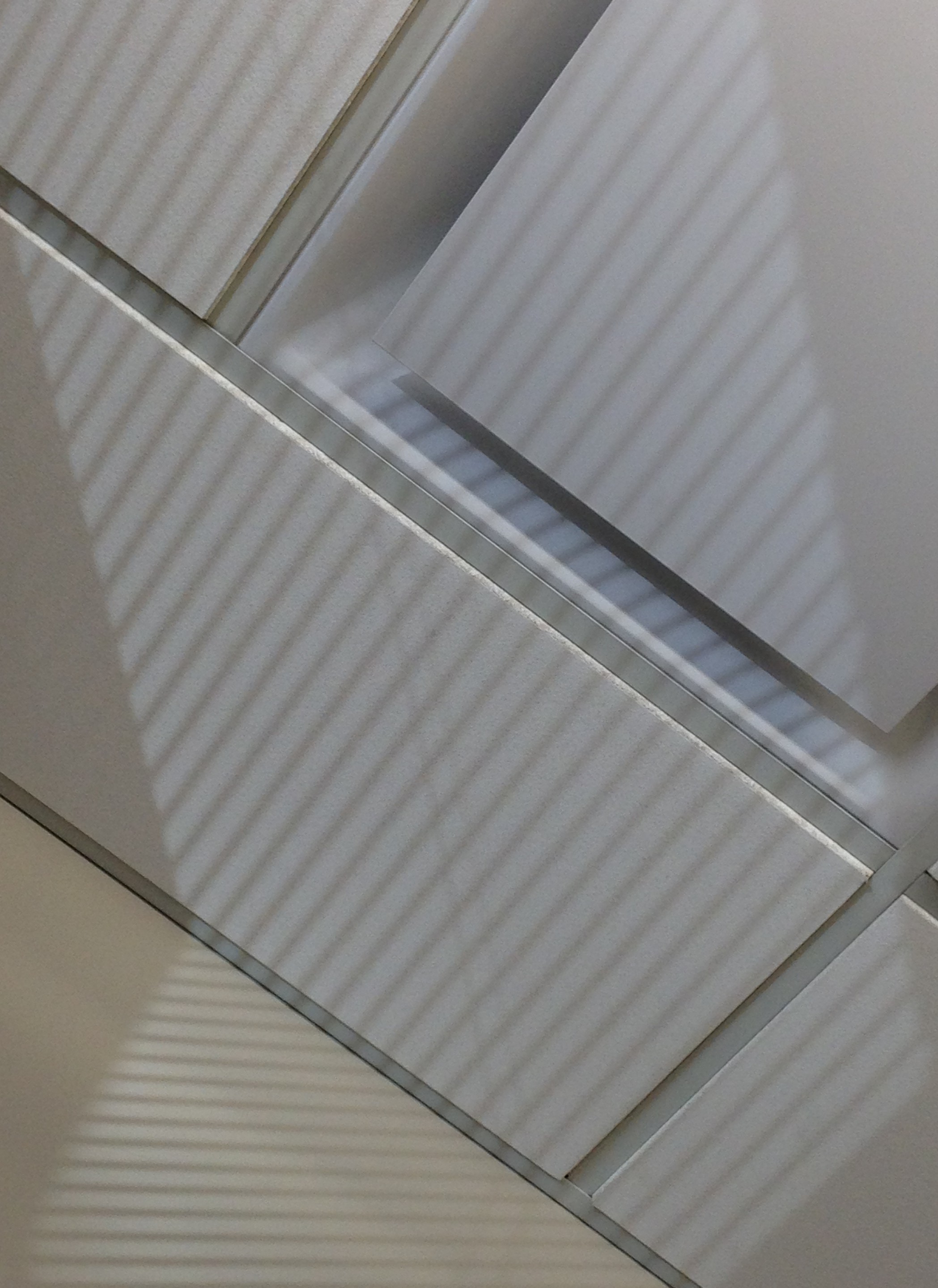
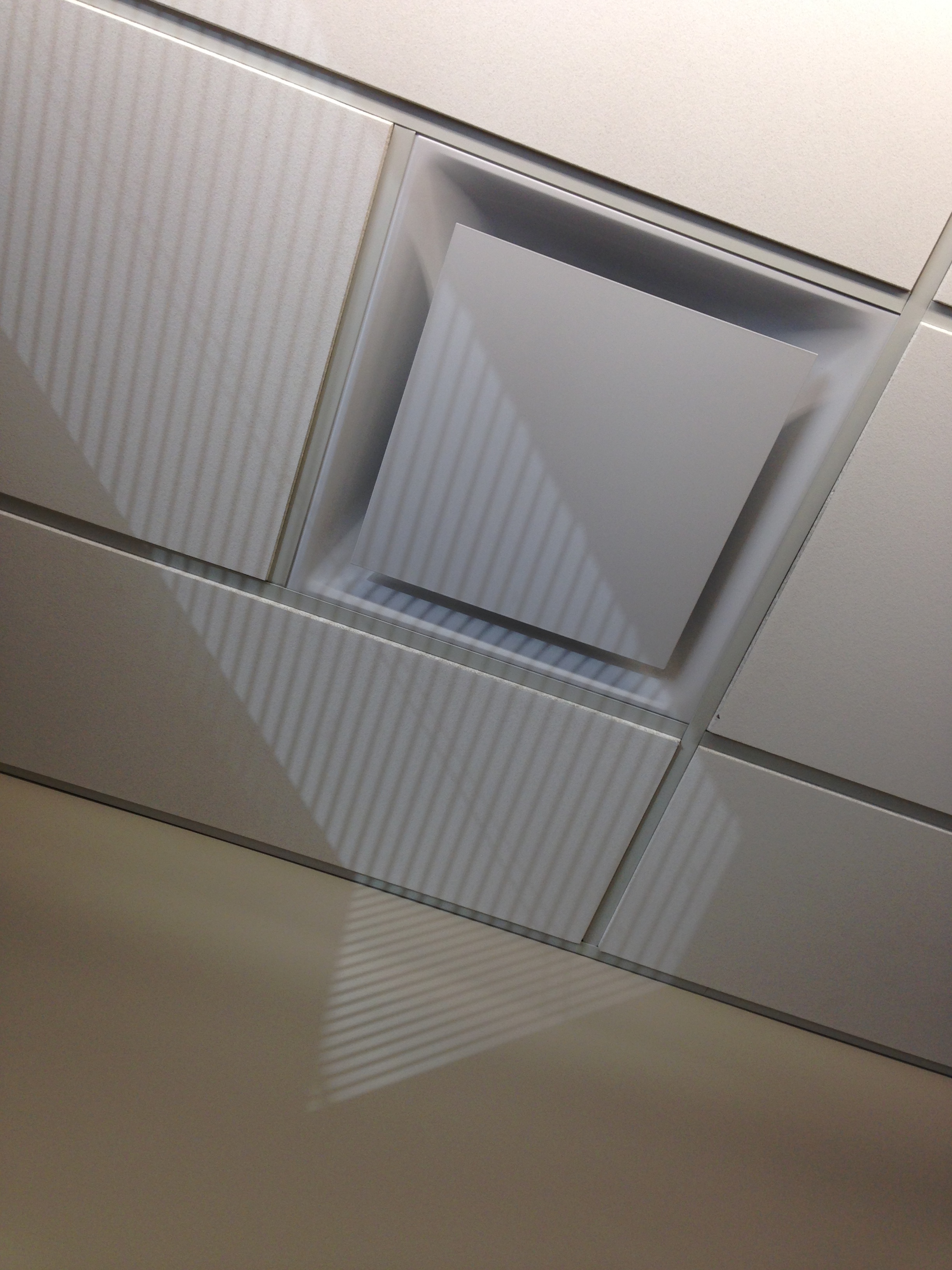
The other day when I posted the “rainbow” light slanting through my office’s Venetian blinds, I mentioned that usually the light coming through is white and casts interesting shadows. Here’s an example of what I mean.

I take a lot of pictures, probably way more than I should mention. Most of them get trashed. I like the photo above. It took a while to get there, though. So I thought I’d share all the “fails” with you, in case you’d find it interesting to walk through my picture-making process.

First, I walked into my office either before or after my 1:00 class and noticed that the sunlight had cast its current pattern of blind stripes on my ceiling. The stripes show up in different locations all over my office walls and ceiling depending on the time of day or year.

Something about this pattern caught my eye. So, second, I snapped several photos with my phone.

ceiling tile fail 1 ceiling tile fail2 ceiling tile fail 3 ceiling tile fail 4 ceiling tile fail 5 IMG_1626[1]

Of all these, I decided I liked the last one best because of the diagonals.

Then, having chosen it as my favorite, I started thinking about the composition of all the various lines and how they might best fit inside a “frame.” In other words, should I crop the photo? And if so, how?

I wanted to merge the patterns of lines into a coherent “whole” as much as possible, so that the ceiling tiles and Venetian blind stripes could be viewed as one single unit instead of two separate overlapping patterns. So yes, cropping would be necessary to create that illusion.

In the end I decided to shave a little bit off the top of the photo and then crop the sides and bottom enough to create a “frame” that would put the edges right at the outermost points of the pattern created by the Venetian blind stripes.

Below are the “before” (left) and “after” (right) versions.

IMG_1626[1] abstract pattern - ceiling tiles and Venetian blind shadows

So, that’s today’s blog post. Not especially “deep” but sort of different and hopefully interesting, too 🙂

Posted in Art, Photography | Tagged , , , | 4 Comments

A Venetian-Blind Rainbow

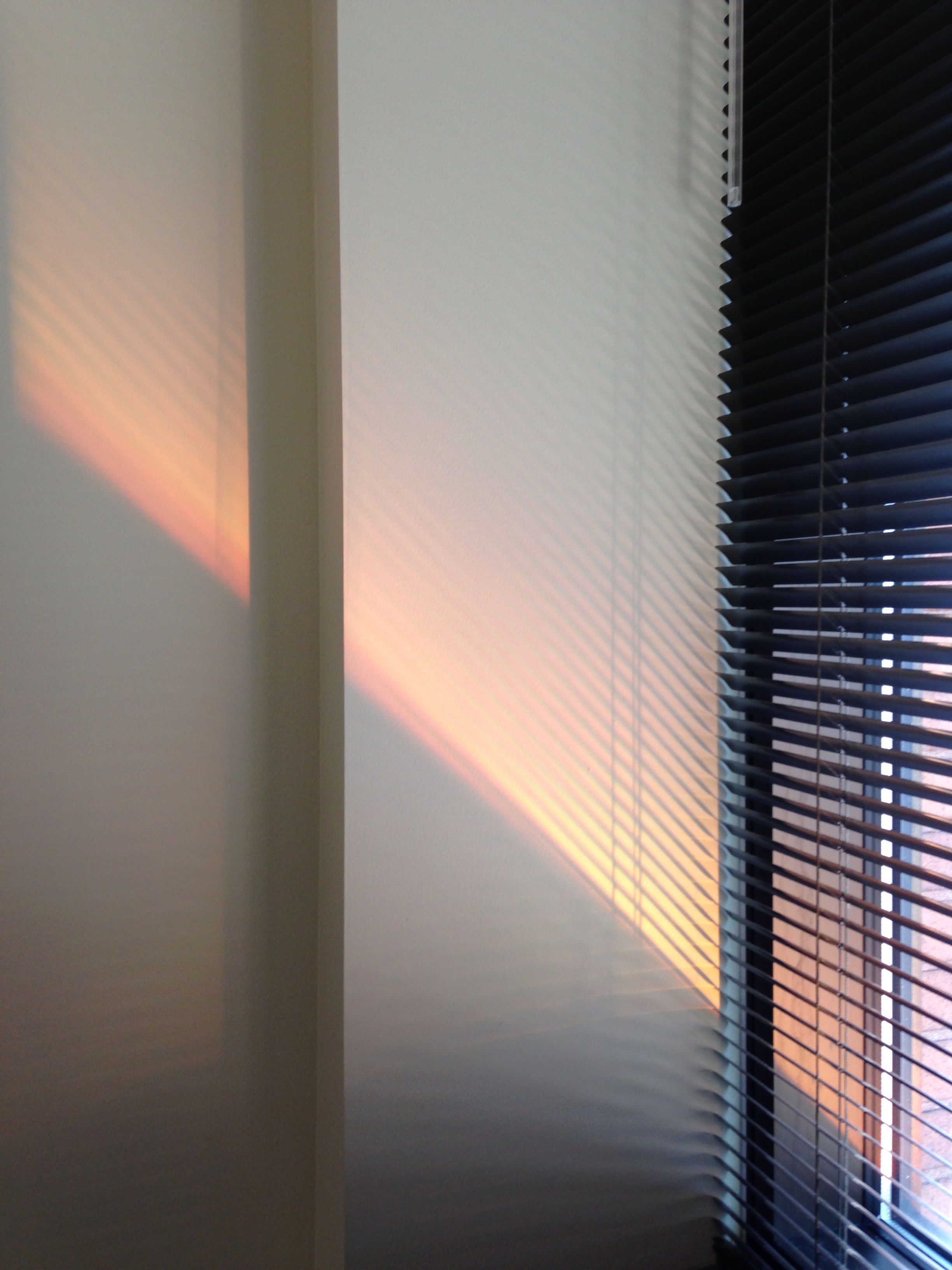
Here’s what I saw when I stopped by my office on the way to my 8:00 a.m. class this morning. Usually the light slanting through the Venetian blind into my office is white, creating interesting patterns of grayscale shadow on my multi-recessed wall. I’d never seen color in that light before, so I snapped this quick photo to document the mix of red, orange, and peach before packing up the gear for my film studies class.

orange light slanting through Venetian blind

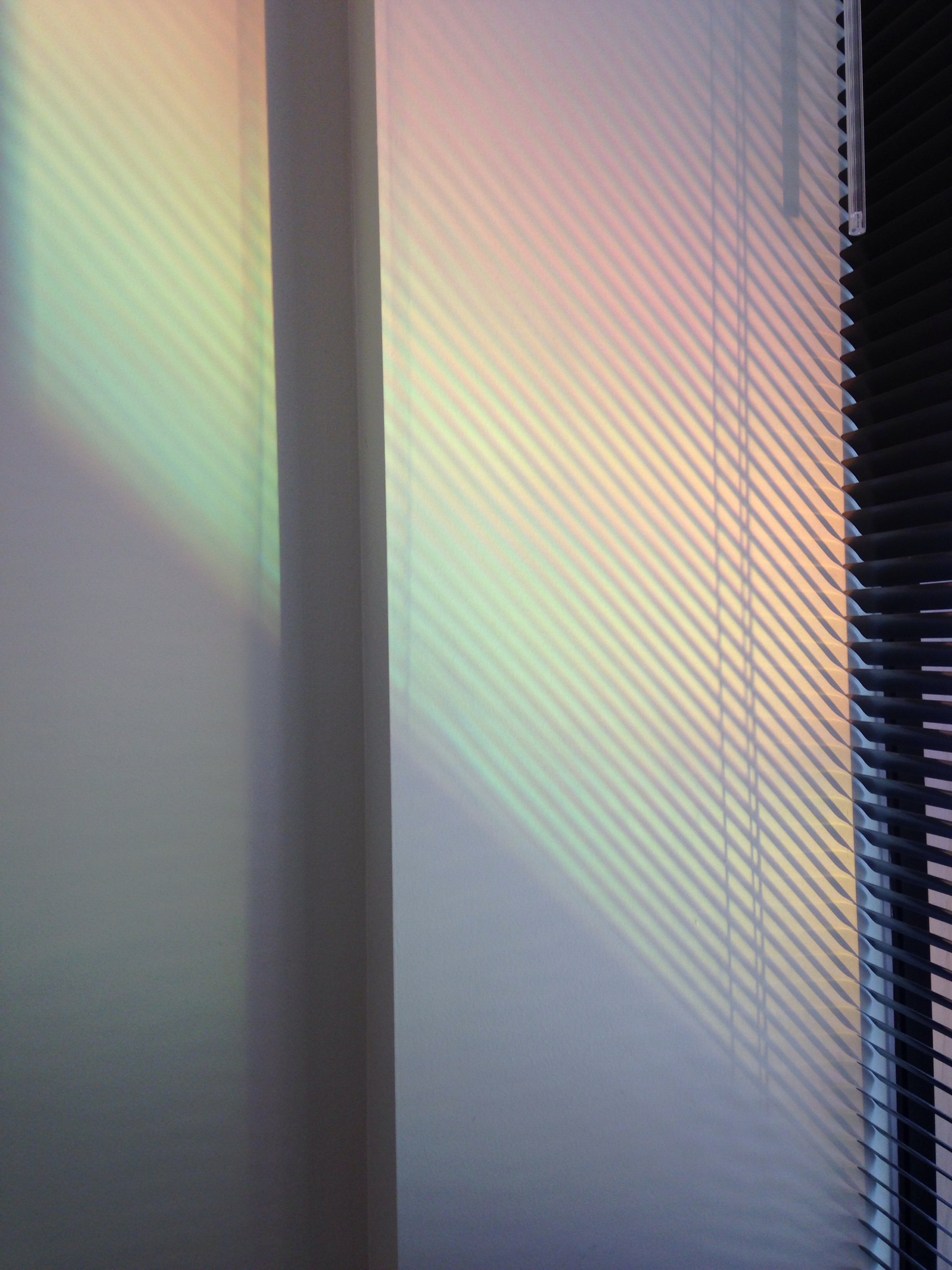
Just as I was about to leave, though, the light  changed again—with an amazing last-minute bonus this time to start off my day. Not just color, but a rainbow!

rainbow spectrum of light through Venetian blind

Posted in Life, Photography | Tagged , , , , , , | Leave a comment

Signs of Spring

You know it’s spring in Milwaukee when lawns throughout the city are taken over by these lovely carpets of blue flowers. Scilla siberica (Siberian squill) is their official name. They make me so happy!

Siberian squill

Apparently, though, this pretty flower is considered “invasive” because it “naturalizes” so well (i.e., spreads outward from the spot where initially planted). These blue carpets are sometimes even referred to as “infestations” of scilla.

Silla siberica

A characterization that’s a bit harsh for such a cheerful sight 🙂

Posted in Life, Milwaukee, Nature | Tagged , , | Leave a comment

How “tilt shift” in movies unites form and content

I’m teaching film studies this quarter, and one of the small pieces of information I introduce to help students develop a vocabulary for talking about movies is the concept of “tilt shift” photography.

I’m no expert on the technology itself, except to know that what used to be done with camera lenses and movement can now be done post-production using software. For some basic background on tilt-shift photography, check out the Wikipedia article here.

My students are analyzing films, not making them. So when I teach them about lighting and lens focal length and camera movement, we are primarily concerned with the image within the frame—what we see when we view a movie.

A few years ago I noticed something new onscreen that I’d never seen before. It took awhile to learn what it was called (tilt shift), but I’m really intrigued by its use and what it contributes to my experience of a film.

Basically the effect of tilt-shift photography is to create a visual impression that what you’re seeing on the screen is a miniature set, almost like a doll-house world.

The first place I noticed it was in the opening credits of the BBC’s “Sherlock” television series.

Can you make out the miniaturization of London in this clip? I have no idea why the tilt-shift effect (plus a cool use of time lapse) was employed, but I can tell you how I interpret it. That London is Sherlock’s playground, his game board, and he sees the city as just a tiny, blurry setting against which the clarity of the intellectual puzzles he loves can take over as the central focus.

I next noticed the technique in The Social Network, at the Henley Royal Regatta, where the Winklevoss twins are racing for Harvard’s rowing team in the Grand Challenge Cup. Take a look at the opening 20 seconds of this clip. Can you see the miniaturization effect on the longer shots?

I read an interview with The Social Network director David Fincher (here) in which he said the reason for tilt shift here was practical:

We could only shoot 3 races at the Henley Royal Regatta; We had to shoot 4 days of boat inserts in Eton. The only way to make the date for release was to make the backgrounds as soft as humanly possible. I decided it might be more “subjective” if the world around the races fell away in focus, leaving the rowers to move into and out of planes of focus to accentuate their piston-like effort.

But for me as a viewer, ignorant of Fincher’s shooting schedule and creative decisions, the use of tilt shift in that scene was to make the Winklevoss twins—portrayed in the film as holding very high opinions of themselves and their place in the world—appear diminished. The twins think they’re such big shots, but this race is puny in the larger scheme of things. And their influence on campus, which they think is so significant, is actually equally puny, full of sound and fury and signifying nothing (as seen in their meeting with Harvard’s president).

One last movie where I’ve noticed the tilt-shift technique used to great effect is Jack Black’s 2010 Gulliver’s Travels. The “miniature” theme is obvious and literal in this movie, but I especially like the way tilt shift is employed in the title sequence to convey a sense of size distortion from the very beginning.

So this is the kind of stuff I’ve been doing in my work life lately. I hope you find it as interesting as I do!

Would you like new posts delivered to your inbox? To subscribe, click here.


Posted in Movies and film | Tagged , , , , , , , | 3 Comments

Ghost Sign

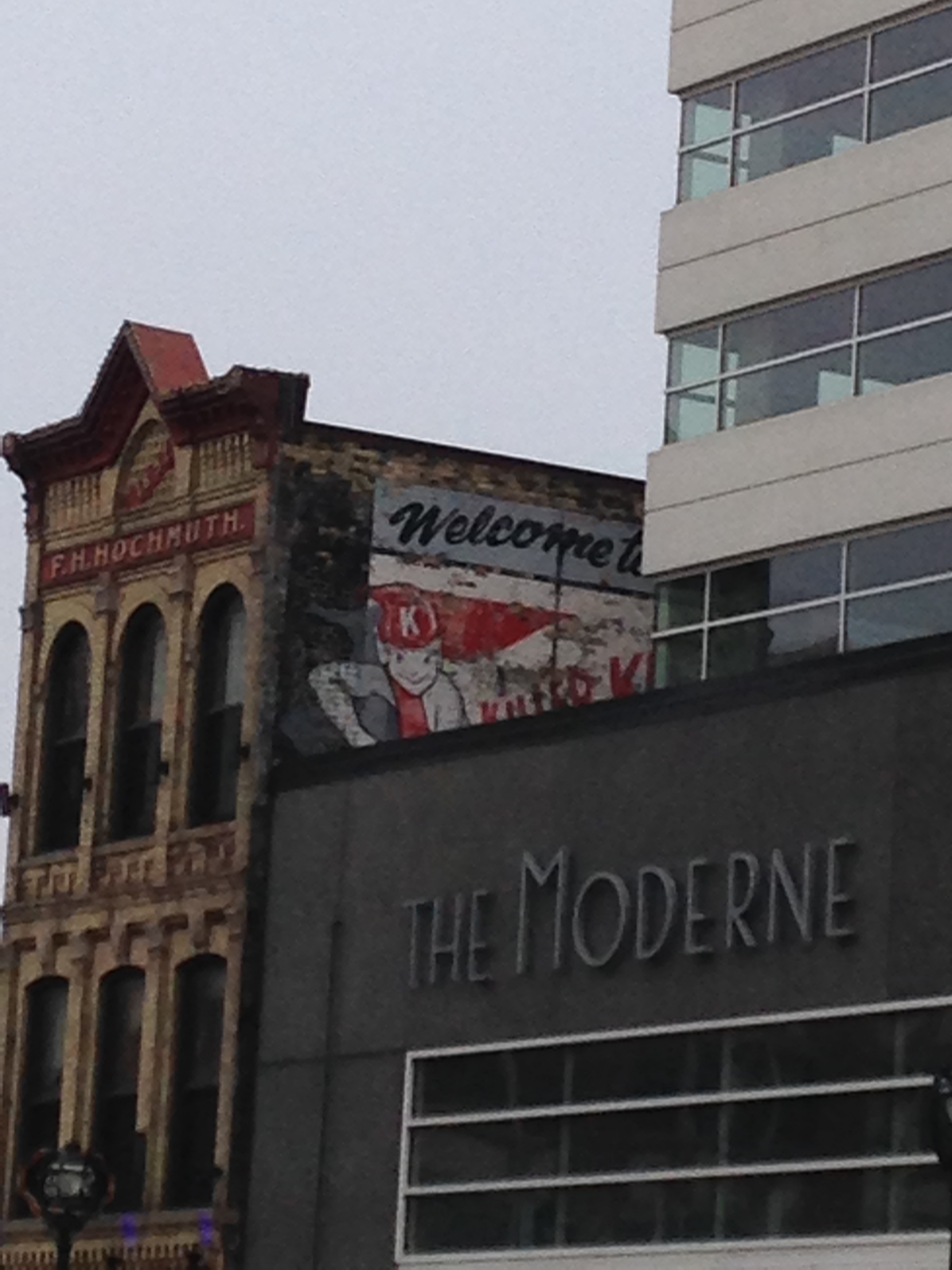
I’m fascinated by old signs that have long outlived their usefulness. The resolution in this photo isn’t very sharp—I took it with my iPhone while sitting at the Juneau and Old World Third Street stoplight—but it pulls together several eras in an interesting fashion.

At the left is the F. H. Hochmuth building, built in 1892. The resolution here is too poor for you to see it, but that year is written above the Hochmuth name, just below the facade’s peaked roof. Milwaukee buildings of this era (1870s–1900) all have a pretty similar look: skinny, three or four stories tall, built with Milwaukee’s own Cream City brick, and displaying its year of construction in a stylized banner across the top.

To the right is a luxury condo/apartment building that has been built to appear old. The Moderne has an Art Deco look, or more accurately Art Moderne. Yet it’s actually brand new (four years old).

And in between is the “ghost” sign. I regret not taking a photo of it before the new building blocked it. It’s some kind of pest control ad, from a company that used “K”s like a New York Post headline. The text on the sign reads something like “Killed Kleen” or “Kleen Killed,” if memory serves.

I figure the sign is from the 1940s or 1950s. Note the “K” on the cartoon exterminator’s hat, as well as the cape unfurled beyond his shoulders. The lower half of the sign, now obscured, reveals that the man is wearing some kind of superhero outfit, a leotard-and-tights look that’s a cross between Superman and Peter Pan.

One last thing: I found this photo on eBay and discovered that the F. H. Hochmuth building was home to a musical instrument store by that same name.

I found the October 21, 1972, Milwaukee Journal obituary for Otto Hochmuth, “retired operator of the old Hochmuth Music Store,” who was found dead at age 75 in his room at the Abbot Crest Hotel.” Otto’s father was the “F. H.” of the building’s name: Franz Hochmuth, a German violin maker, founded the store in 1892 after immigrating to America. Franz’s son Otto operated the business from 1940–1969.

So, I don’t know. That sign itself is nothing special, apart from its surprising durability. I could actually see it becoming, given its cheesy prominence in any photo taken from the wrong angle, a thorn in the side of Moderne building management. But there it is. And there it will likely remain until years of Wisconsin weather finally erases it.

A ghost from decades past peering impishly down.

Posted in architecture, Art, History, Milwaukee, Photography | Tagged , , , | 11 Comments

Norman Rockwell’s The Bookworm Redux

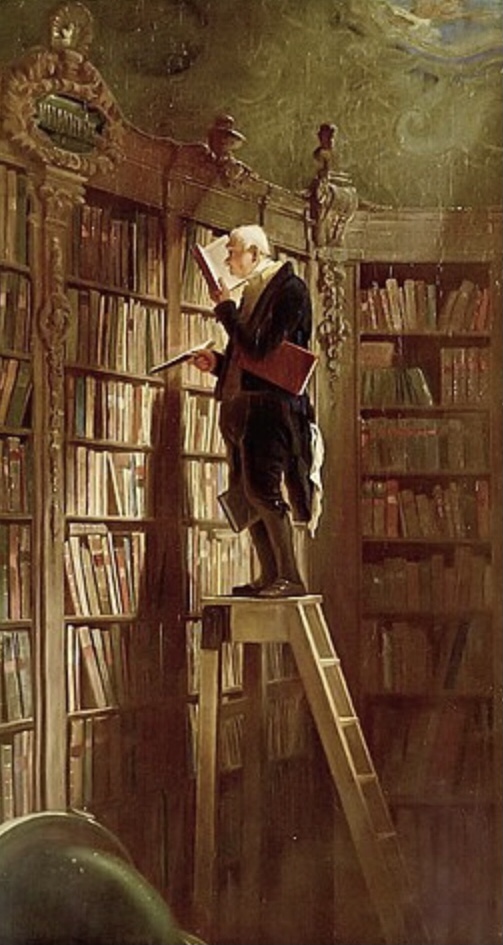
There’s a special gallery two doors away from my office in the Grohmann Museum that houses a collection of paintings by a 19th-century German painter, Carl Spitzweg.

“The Bookworm,” by Carl Spitzweg, 1850, via Wikipedia (public domain)

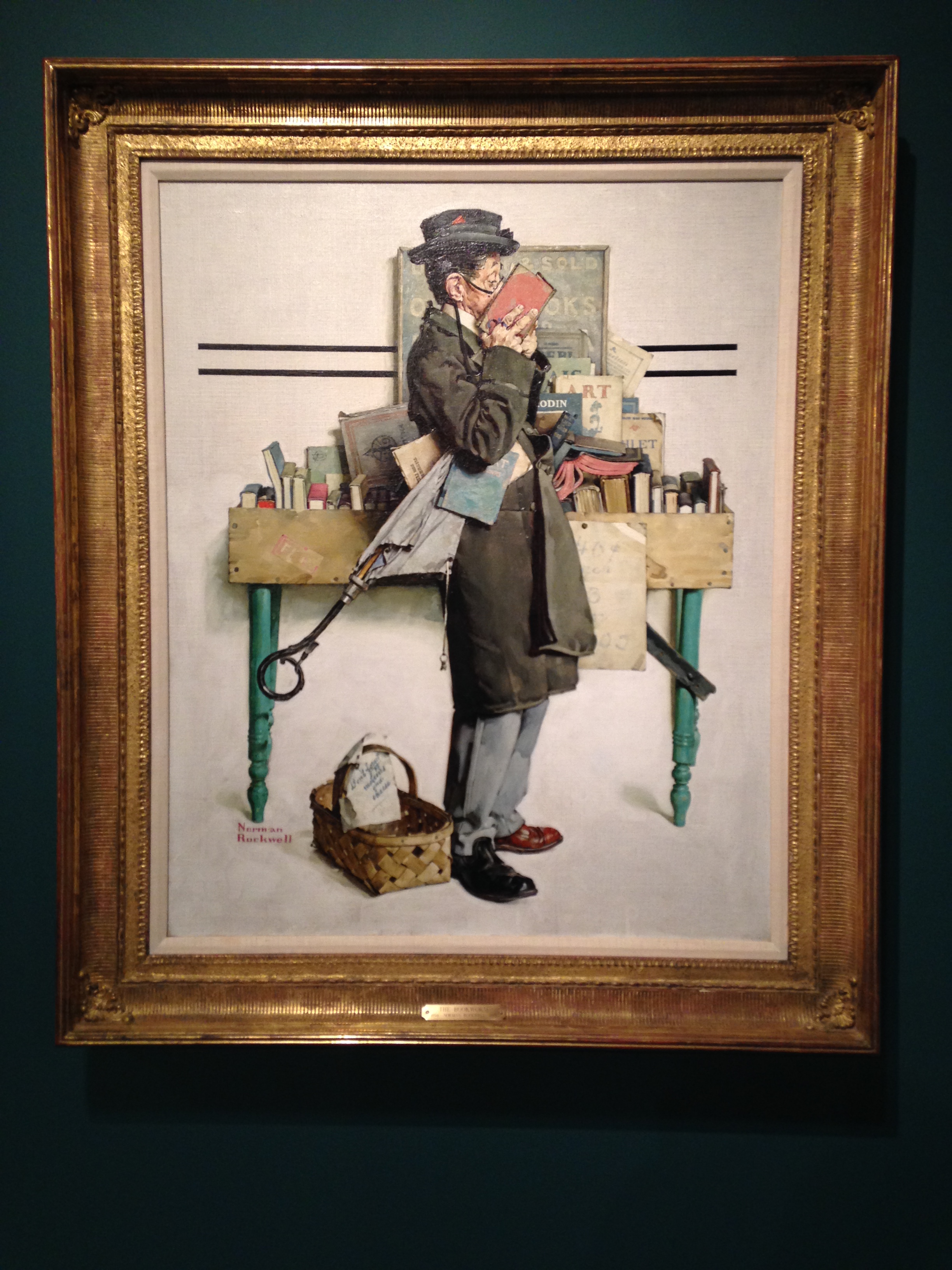
On the wall outside that gallery is a painting by American painter Norman Rockwell, The Bookworm, which pays tribute to the similarly-titled painting by Spitzweg.

Norman Rockwell's The Bookworm, 1926 Norman Rockwell’s The Bookworm, 1926

You can read a really nice analysis of the two paintings online at the Rockwell Center for American Visual Studies, housed in the Norman Rockwell Museum in Stockbridge, Massachusetts. Apparently Spitzweg was sort of the Norman Rockwell of 19th-century Germany. Here’s the link: http://www.rockwell-center.org/essays-illustration/the-bookworm-rockwells-tribute-to-carl-spitzweg/.

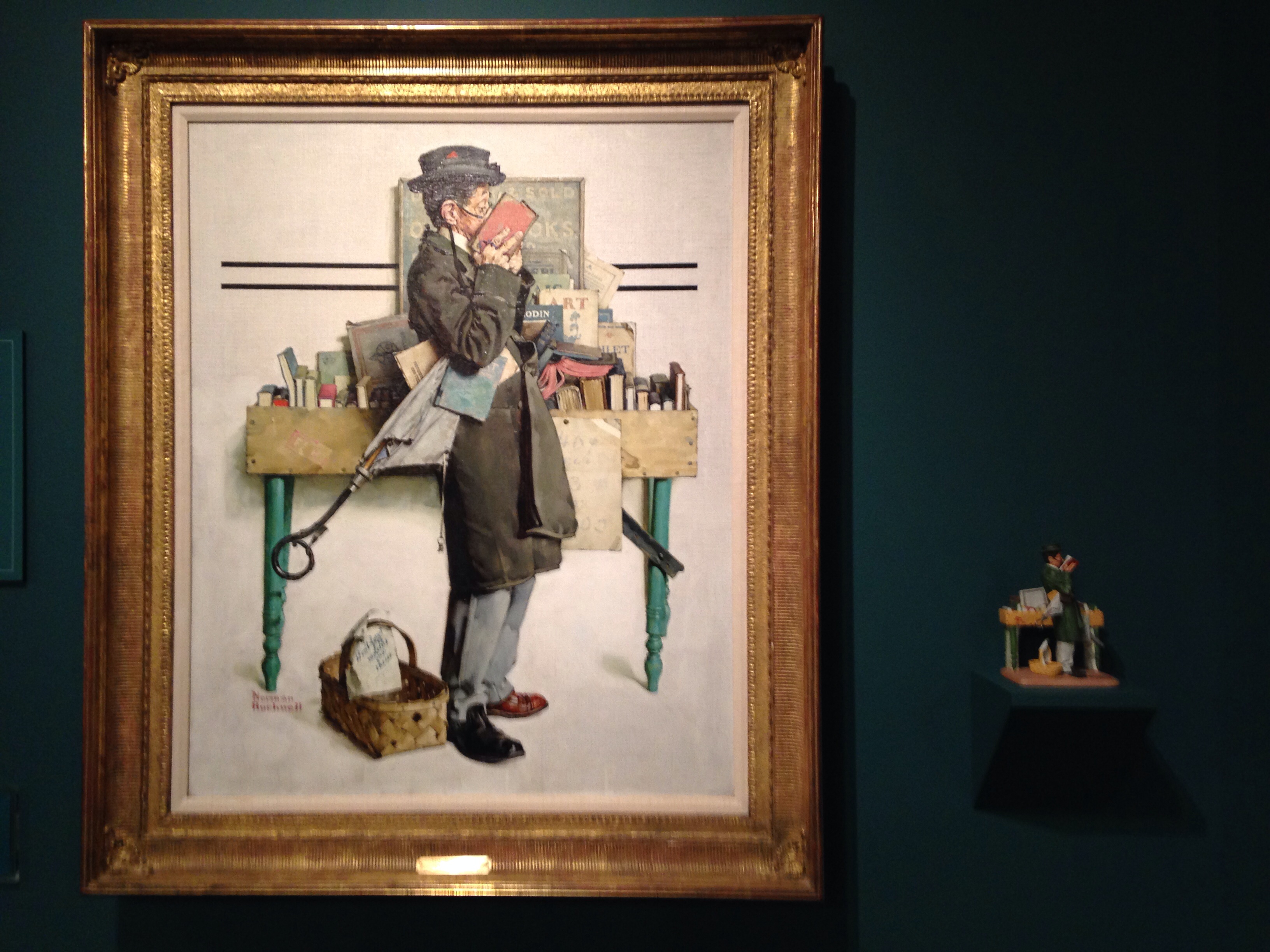
So, anyway, today I noticed a brand new addition on a shelf to the right of the Rockwell painting.

image

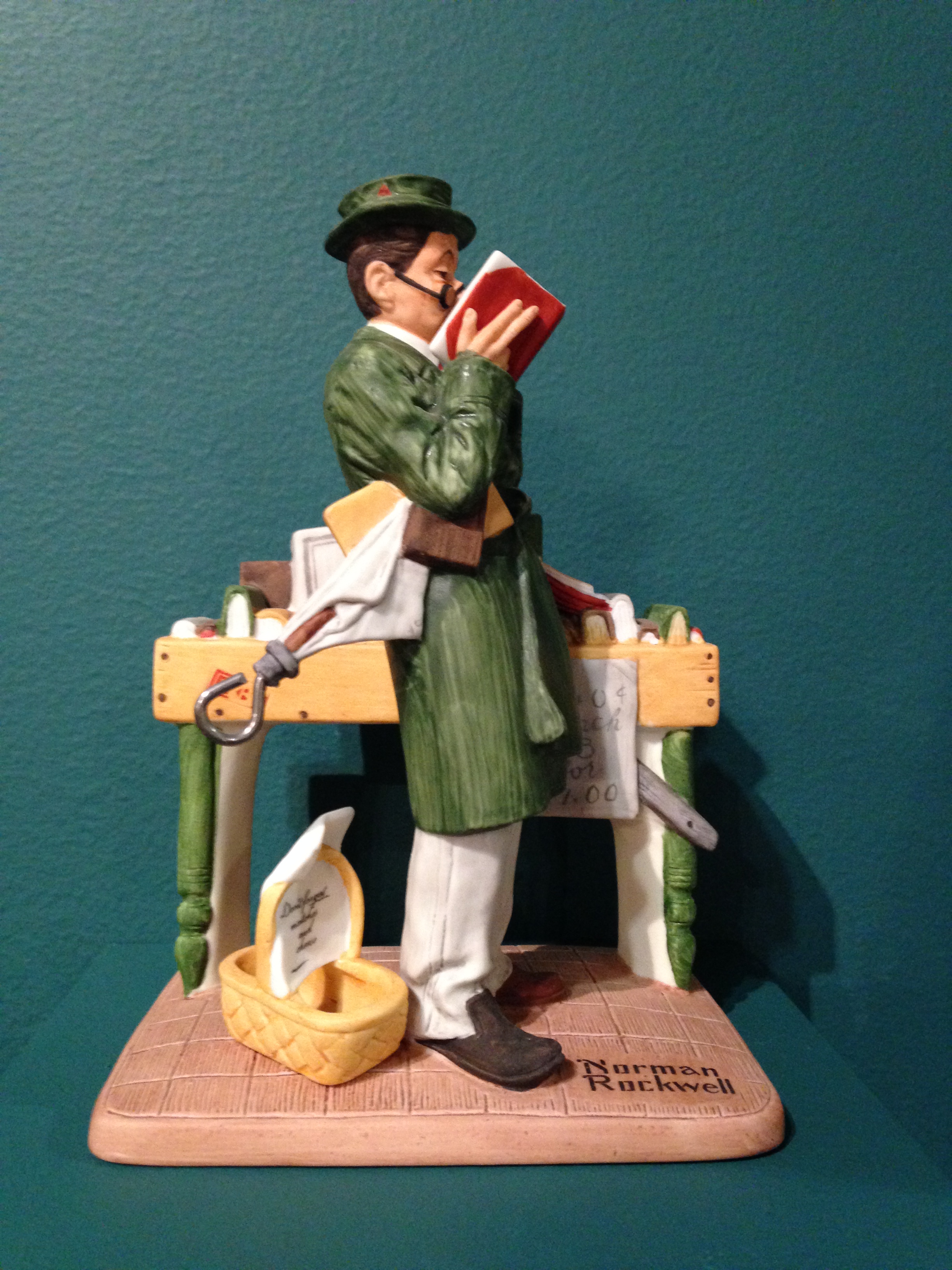
This little Danbury Mint figurine replica of the painting.

“The Bookworm,” Danbury Mint replica figurine

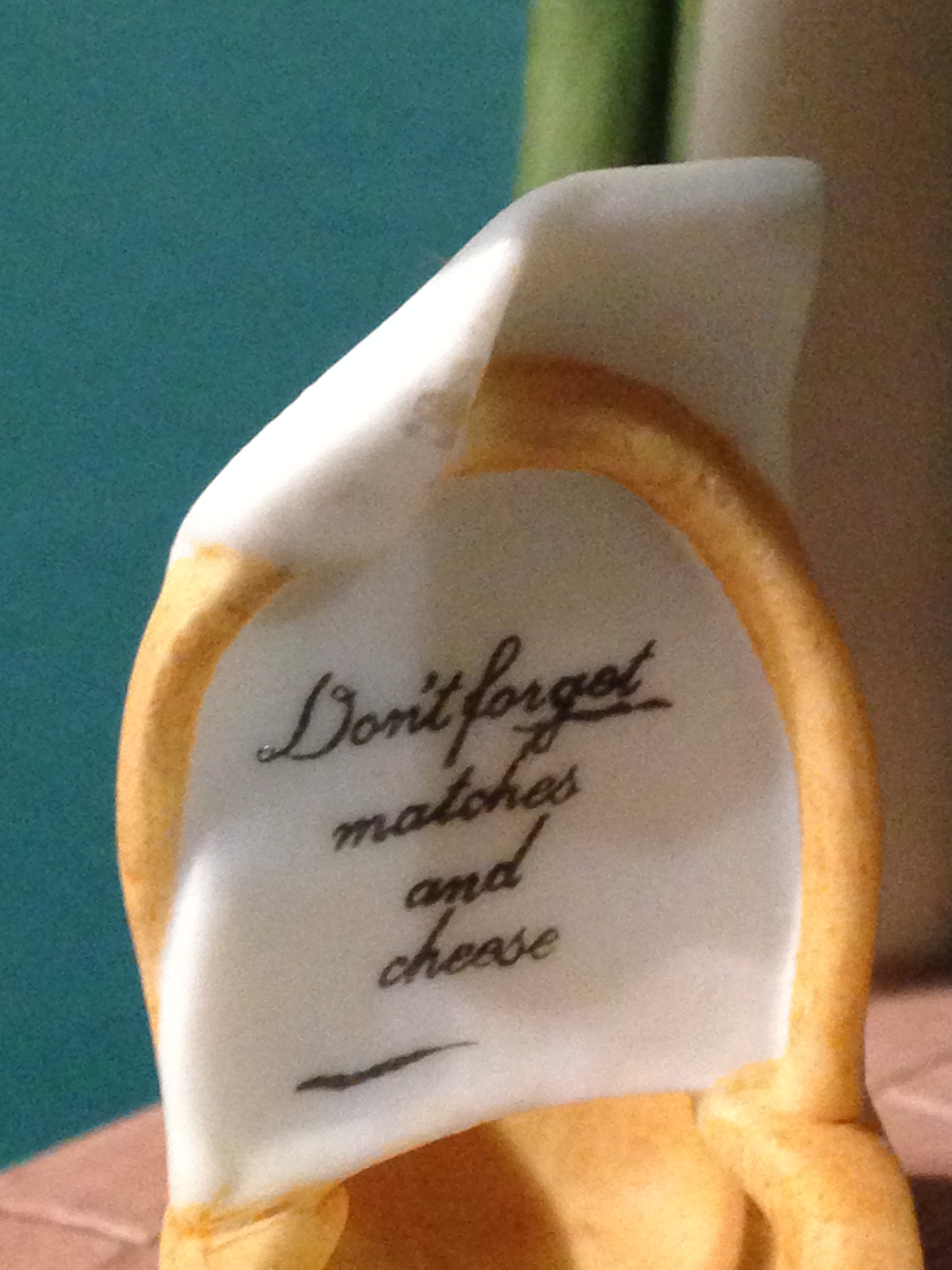
Too adorable! It reproduces every detail, right down to the basket at his feet with the note from the painting: “Don’t forget matches and cheese.”

An errand I fear our “Bookworm” will not complete, given his apparent propensity to be lured away from practical realities via the enchantment of a good book! 🙂

Posted in Art, Books and reading, History, Milwaukee | Tagged , , , , | Leave a comment

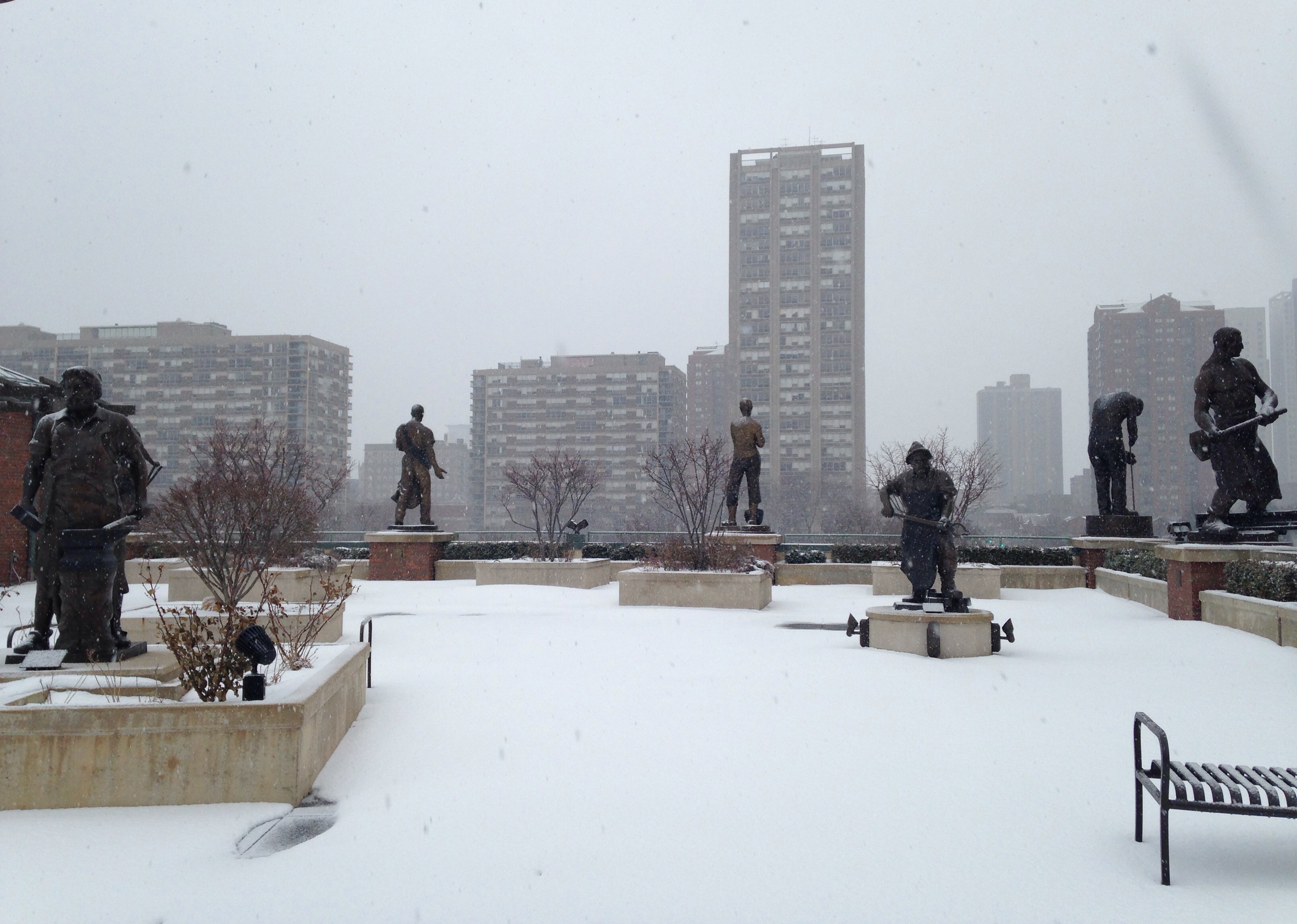
Grohmann Museum Rooftop Garden, February

iGrohmann Museum Rooftop Garden, February (#1)

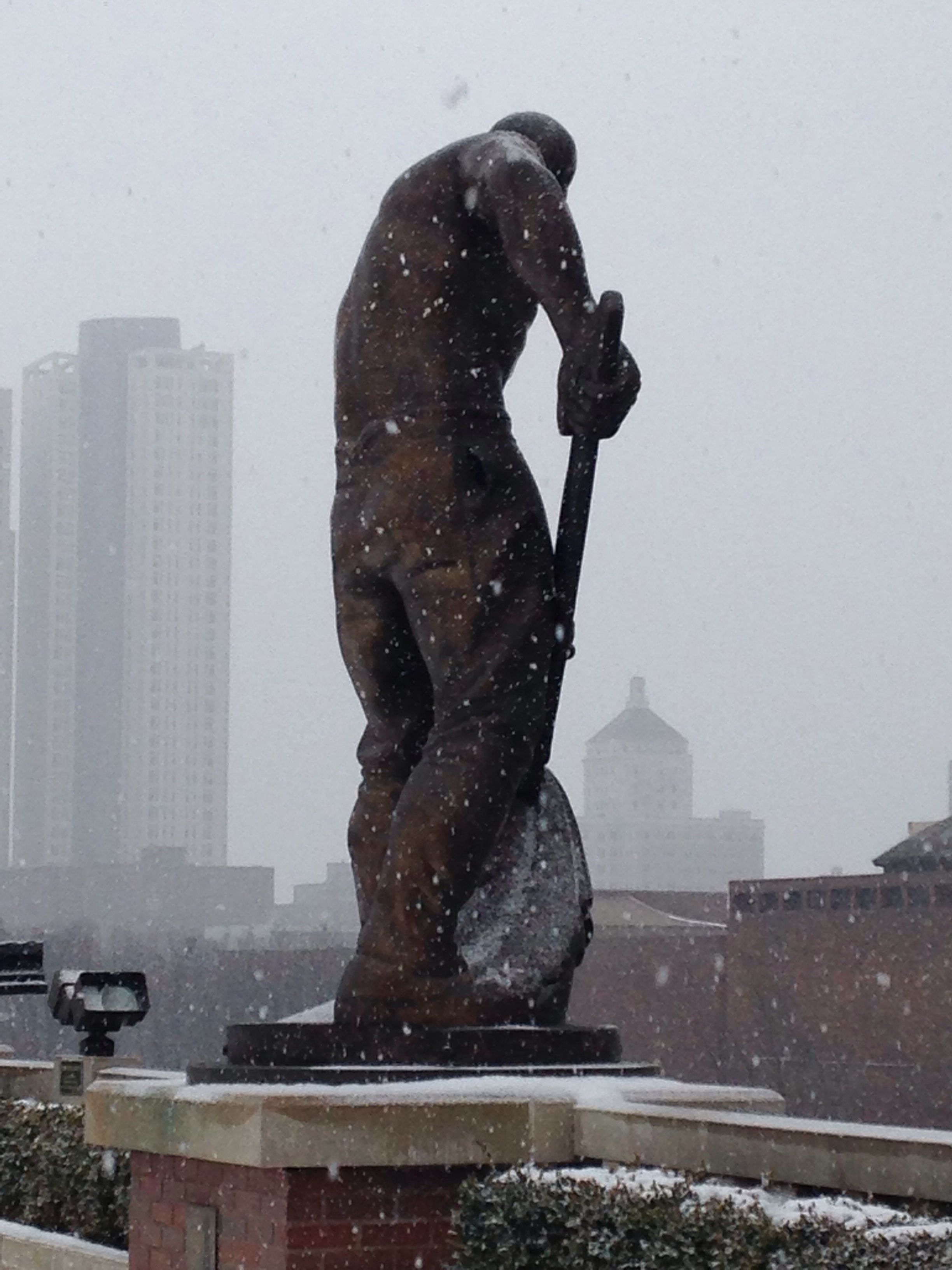
If I have a small class, I’ll occasionally take my students up to the rooftop sculpture garden on a warm spring day. We carry benches from all corners to sit together for discussion. To keep track of our time, we need merely glance over at the enormous clock on the City Hall tower.

Obviously warm weather is some ways off.

Those apartment buildings at the left and center background (slightly obscured here by a thick curtain of wind-driven snowflakes) caught my eye when I first moved to Milwaukee. To me they looked like old Soviet bloc housing, although I had no vocabulary in my twenties to understand what I was seeing beyond Cold War imagery.

A few years ago I took students studying architecture and the rhetoric of public space up to the sculpture garden for class. One style we were discussing that day was Brutalism. Most examples in our text were European buildings. Someone asked if there was any Brutalist architecture in America, because they had never seen any. How totally cool it was just to point over at those apartments from our rooftop perch.

And we all had a good laugh over how invisible the things we see every day become!

Posted in architecture, Art, Life, Milwaukee, Photography, Teaching | Tagged , , , , , , , , , | 2 Comments

Spooky Demon in the Rear Window

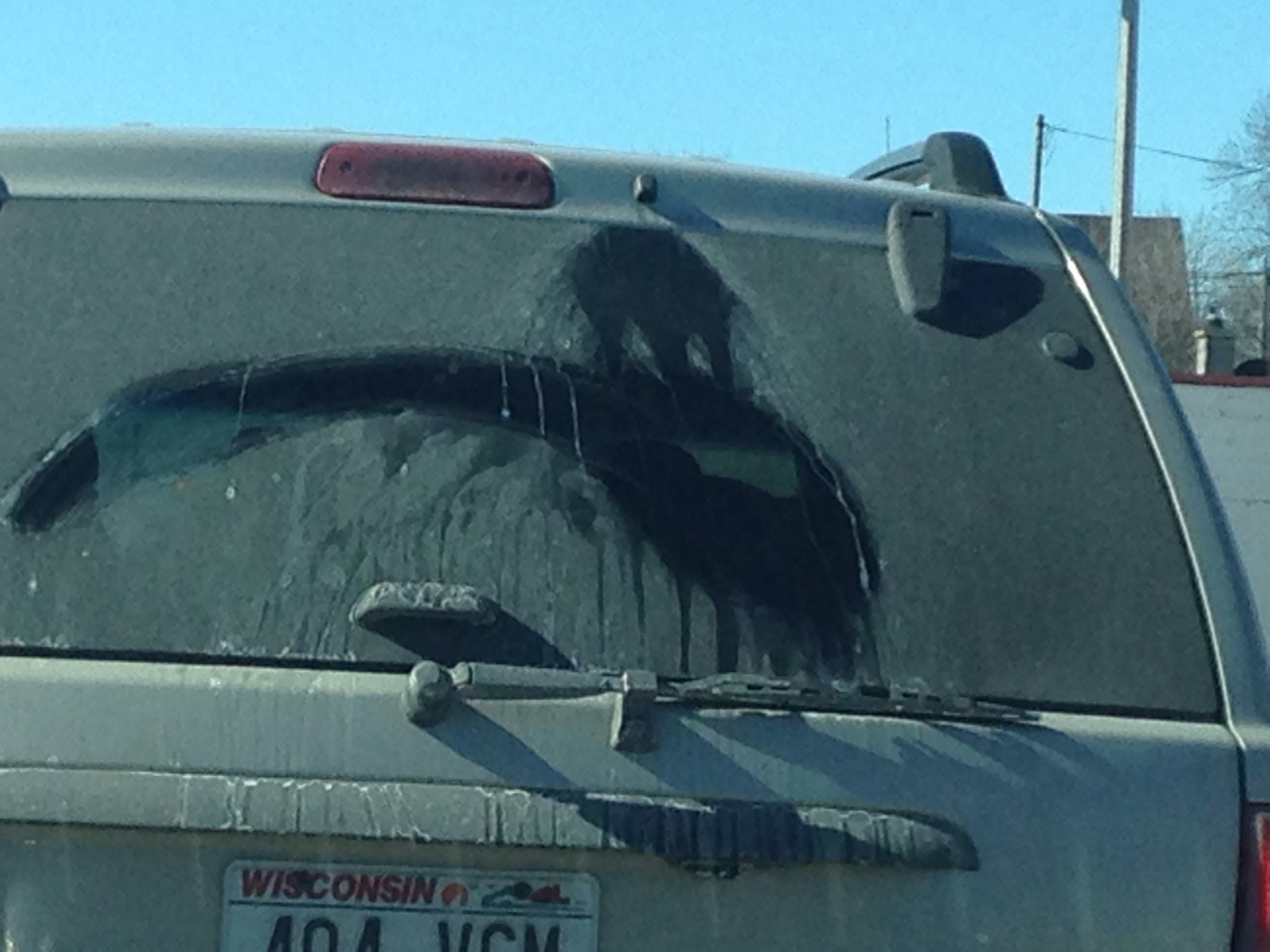
imageI saw this “image” in the rear window of the vehicle in front of me over the weekend. Even though it’s just where the washer fluid flowed down and the wiper (poorly) swished across the window, to me this looks like an evil spirit of some sort.

Demon 001

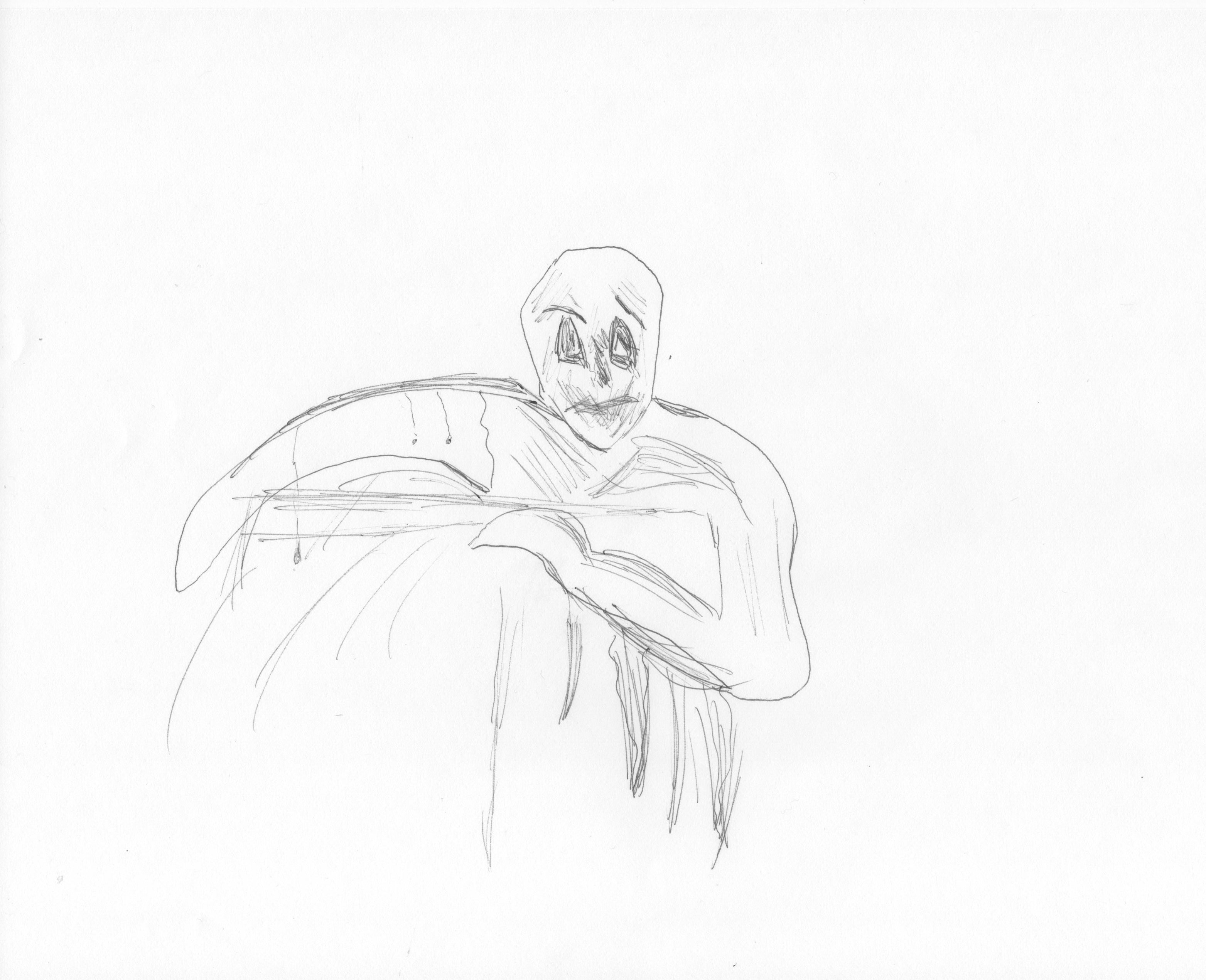
Sketch by moi to give you an idea of what I was seeing

Do you ever do this kind of thing? (Like, look at a doorknob and see a face?)

doorknob face

“Oh noooooo! That’s a scary rear window demon!”

Posted in Creativity, Photography | Tagged , , , | 4 Comments

A Handy Perch

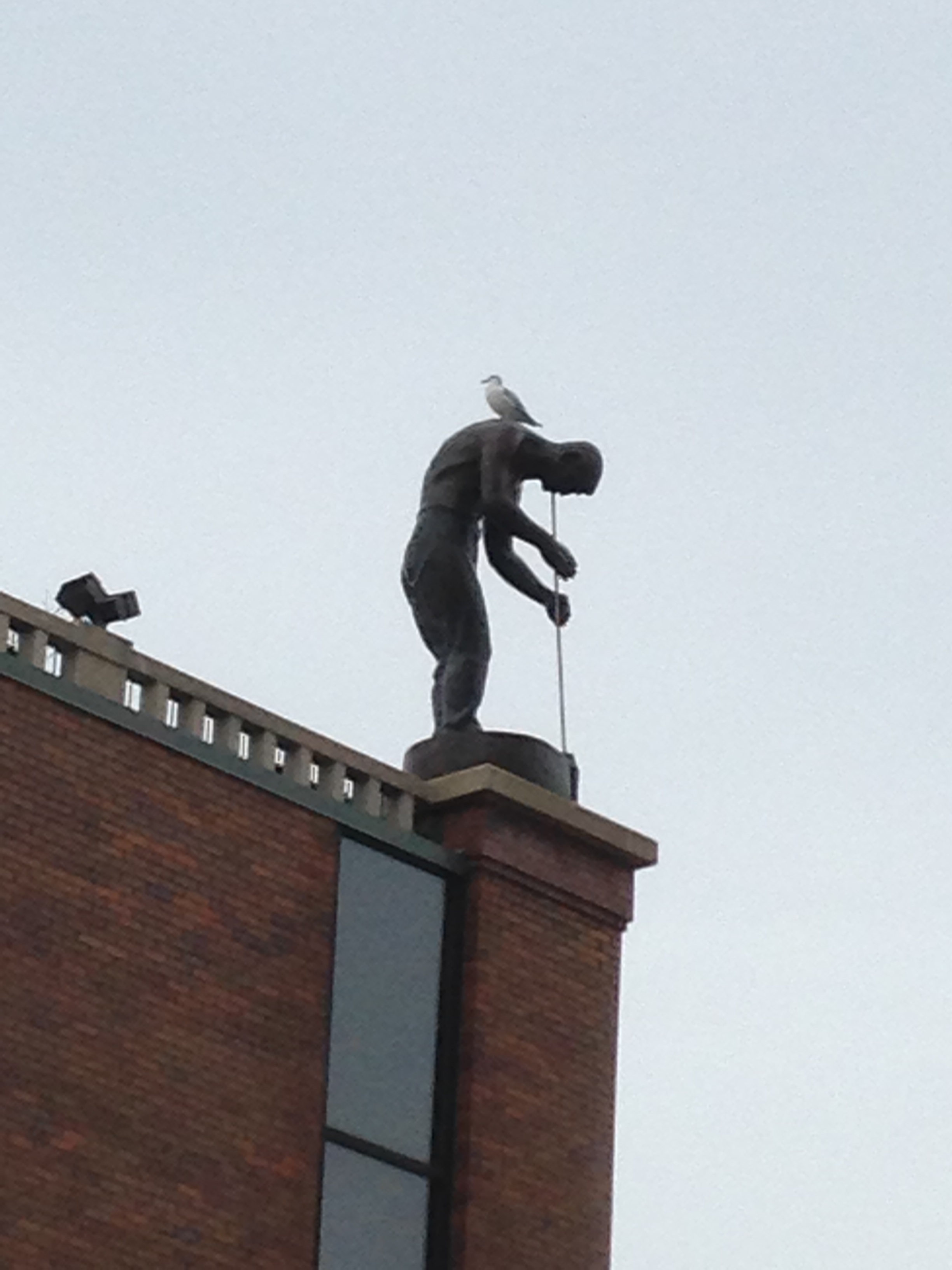
Grohmann statue with seagull

Posted in Art, Milwaukee, Photography | Tagged | 2 Comments